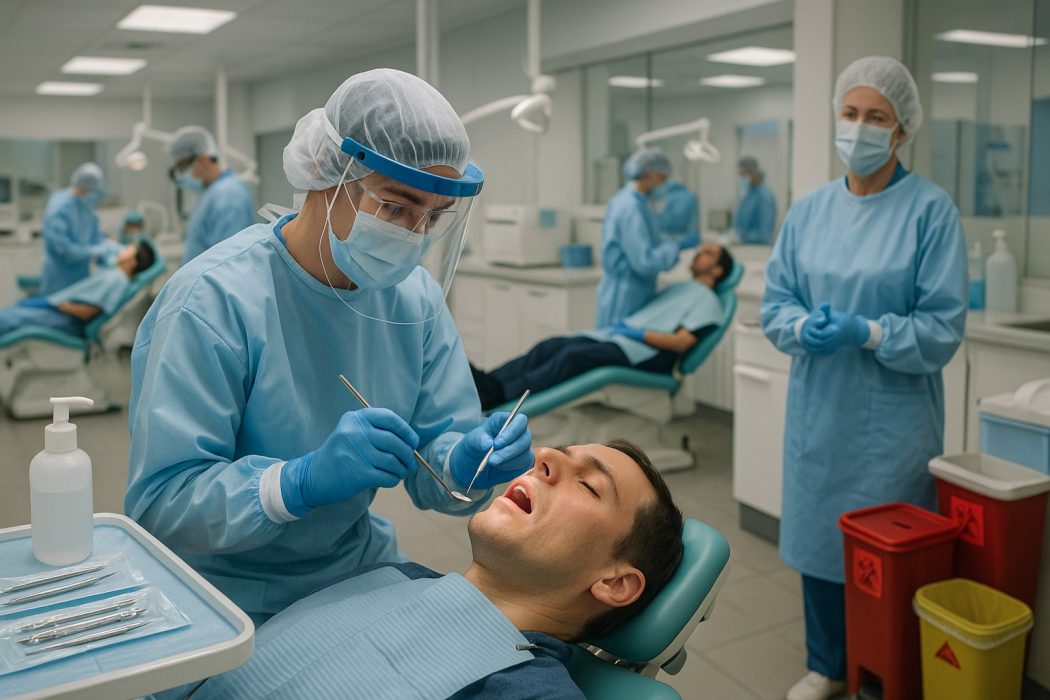
Assessing Knowledge, Adherence, and Barriers to Cross-Infection Control Measures Among Dental Students: A Mixed-Methods Study
-
By fatima shaukat
A key element of high-quality healthcare is effective therapeutic communication between nurses and patients, which improves patient happiness, comprehension, and recovery results. The purpose of this study was to assess nursing students’ awareness and understanding of therapeutic communication at a private nursing school in Swat, Pakistan.
Read More
Assessing Patient Safety Culture in Pakistani Dental Hospitals: A study using the DOSOPS questionnaire.
-
This study explores patient safety culture in dental hospitals using the DOSOPS questionnaire, highlighting gender and role-based differences that influence safety perceptions across staff groups. The findings provide evidence to strengthen safety protocols in South Asian healthcare settings.
Read More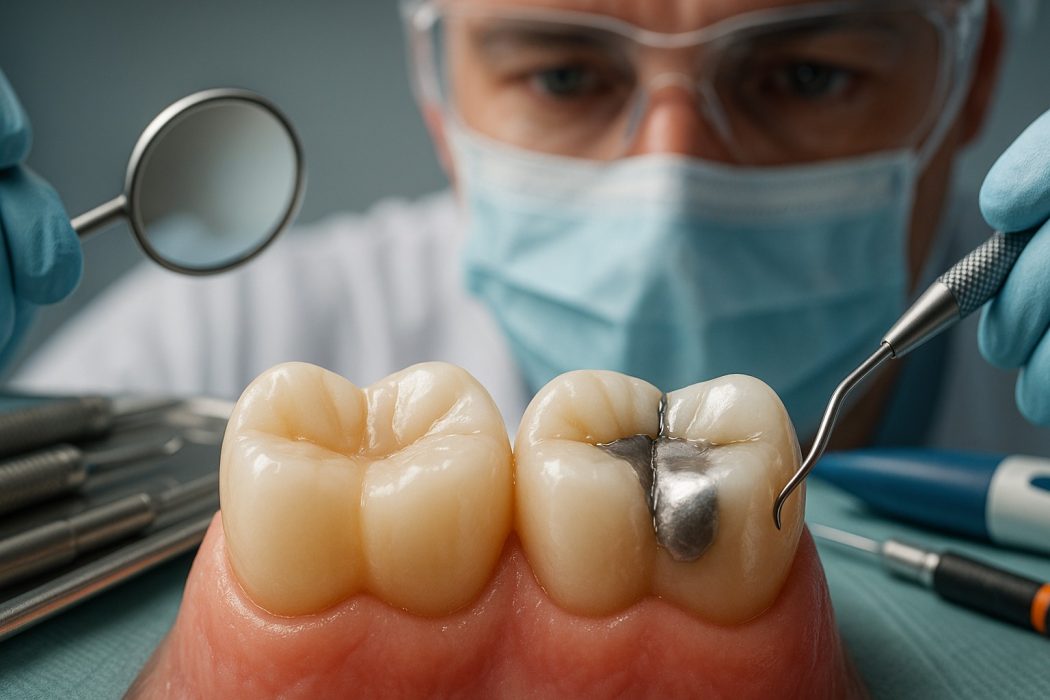
Dental Students’ Preference Between Composite and Amalgam for Posterior Restorations in Pakistan
-
Background: Dental restorative material choice has shifted globally, with composite resin increasingly preferred over amalgam due to esthetics and conservative preparation. However, amalgam remains valued for its cost-effectiveness and durability. Limited data exist on dental students’ perspectives in Pakistan. Methods: A cross-sectional, questionnaire-based survey was conducted among 76 third- and final-year dental students at Islamic International Dental College (IIDC), Riphah International University, between June and December 2019. The questionnaire assessed student perceptions of ease of cavity preparation, handling, durability, cost, and patient demand. Data were analyzed using SPSS version 23 to generate descriptive statistics. Results: Composite resin was the preferred material for posterior restorations among 81.6% of students, primarily due to its esthetics, ease of preparation (90.8%), and patient preference (84.2%). Amalgam was favored for its lower cost (84.2%) and greater longevity (53.9%), and was most often selected for Class I restorations. Despite these advantages, 51.3% of students opposed the complete discontinuation of amalgam use. Conclusion: Dental students at IIDC demonstrated a stronger preference for composite resin, reflecting global trends and patient expectations. Nonetheless, amalgam continues to be acknowledged for its affordability and clinical durability, particularly in specific scenarios. Educational curricula should emphasize evidence-based decision-making that integrates both esthetic and functional considerations. Keywords: Composite resin, Dental amalgam, posterior restorations, dental students, esthetics, cost-effectiveness
Read More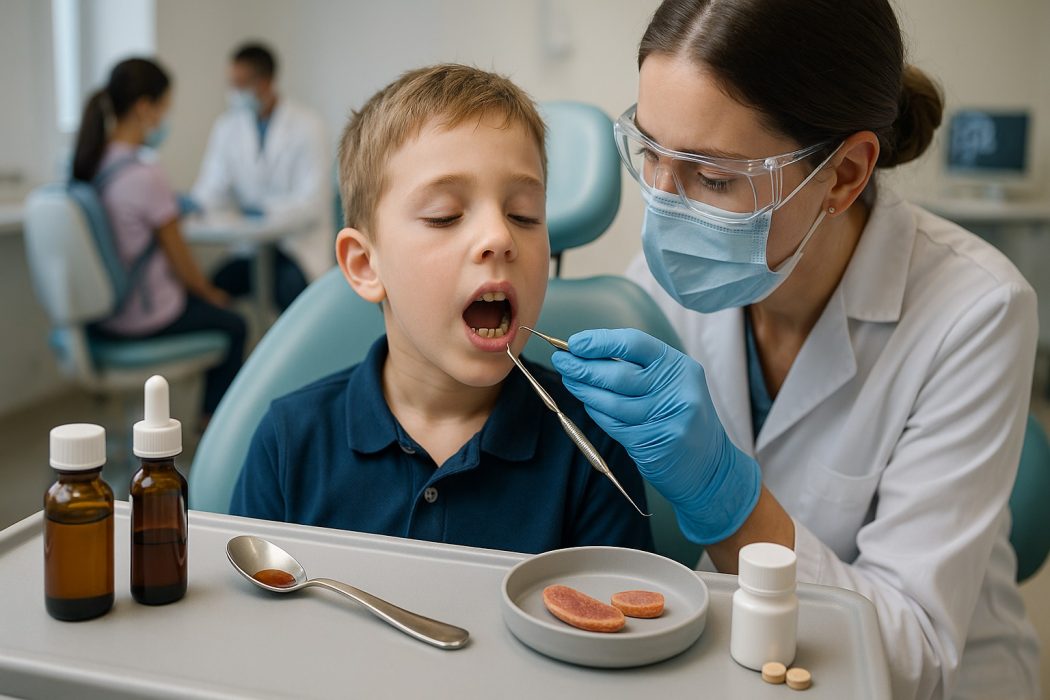
Prevalence of Dental Caries and its association with Iron Supplements in School Children of Rawalpindi and Islamabad
-
ABSTRACT Objective: The objective of this study was to assess the prevalence of dental caries using decayed, missing, filled, tooth (dmft) index among school children between age 5-12 years. It aims to assess the correlation of dental caries with use of iron supplements and to evaluate the impact of oral hygiene habits on the prevention of dental caries. This study aims to address the paucity of knowledge interlinking caries and iron supplements and help parents of young children gain clarity regarding safe iron supplements intake. Methodology: This cross-sectional study was conducted among n=315 children aged 5-12 years in selected private and public schools in Rawalpindi and Islamabad. Data on iron supplement intake, oral hygiene practices, and dietary habits were collected via structured questionnaires administered to mothers/guardians, and clinical dental examinations assessed DMFT scores. Statistical analyses were carried out using Jamovi software for bivariate and multivariate analysis to test predictive accuracy and determine the important variables. Results: The sample size of this study is n=315 children. Among the 315 children, 35.2% (n=111) had reported intake of iron supplement, and 64.8% (n=204) had not. There was no significant difference in mean DMFT scores between the non-supplement and supplement groups, which were 2.17 ± 2.63 and 2.35 ± 2.65. Multivariate regression demonstrated that age was significant DMFT predictors, with an age of 11–12 years having significantly lower DMFT scores than an age of 5–7 years. Balanced, healthy, and protein diets correlated with lower DMFT scores than processed/sugary diets. No significant interactions were seen between age and iron supplementation. Conclusion: The finding showed that iron supplementation was not significantly associated with an increased risk of dental caries in children. However, the research indicates age, and dietary habits were more strongly linked to caries prevalence. The findings support the continued use of iron supplements without adverse implications for paediatric dental health.
Read More
Isolation and Characterization of Infidel, a Novel Bacteriophage Infecting Bacillus thuringiensis Kurstaki (Btk)
-
The phage exhibited strong lytic activity, with complete bacterial clearance in low-dilution plates, suggesting either a large burst size or highly efficient infection. Superinfection immunity assays could clarify whether Infidel also follows a lysogenic cycle.
Read More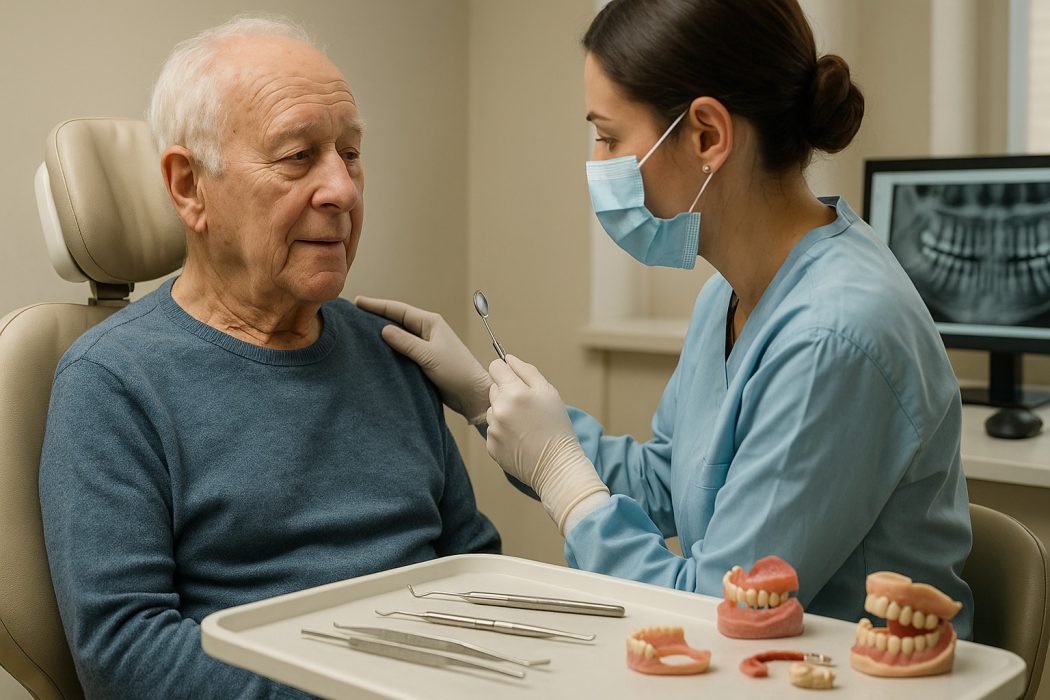
Evaluating Oral Health-Related Quality of Life (OHRQoL) and Oral Health Needs of Geriatric Patients
-
Aging has a profound impact on oral health, contributing to diminished functional capacity and reduced quality of life. With the growing geriatric population, oral health-related quality of life (OHRQoL) has emerged as an important public health concern. This study aimed to evaluate the oral health needs and OHRQoL in the geriatric population
Read More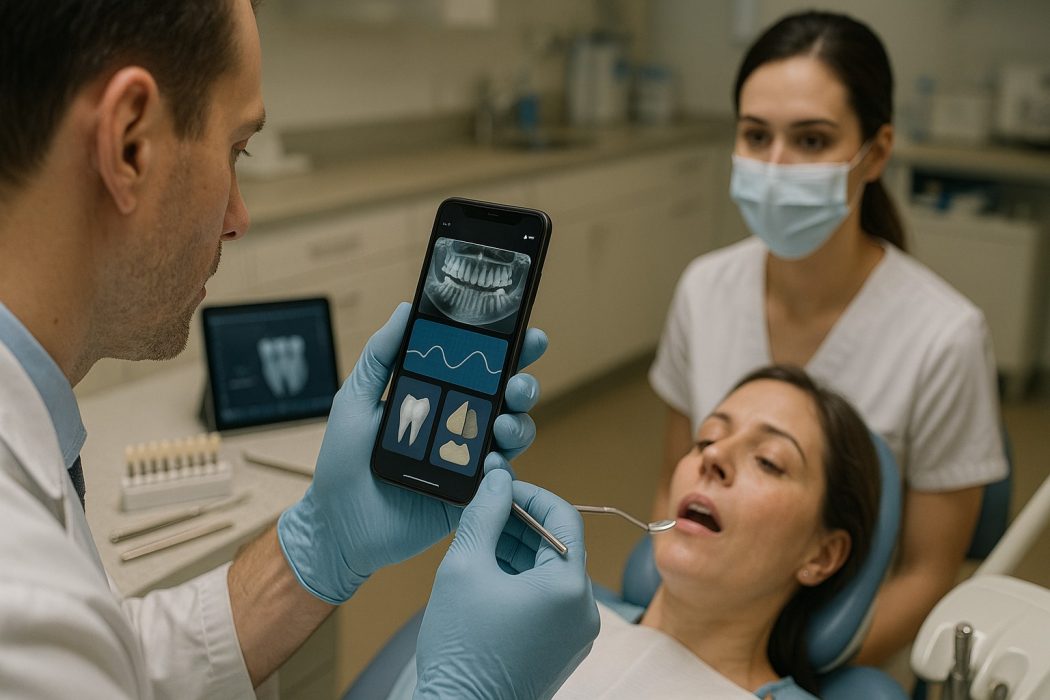
Use of Smartphones and medical apps in Dentistry
-
This was a cross-sectional survey carried out using an online self-administered questionnaire. The sample consisted of dentists and dental students from various institutes of Punjab. The participants were asked closed-ended questions regarding demographics, their pattern of smartphone apps usage. The usage of smartphone apps was lower in the studied population compared to international levels. Smartphone apps can aid clinical practice and learning experience through their accessibility and cost-effectiveness provided limitations and barriers in their use are addressed.
Read More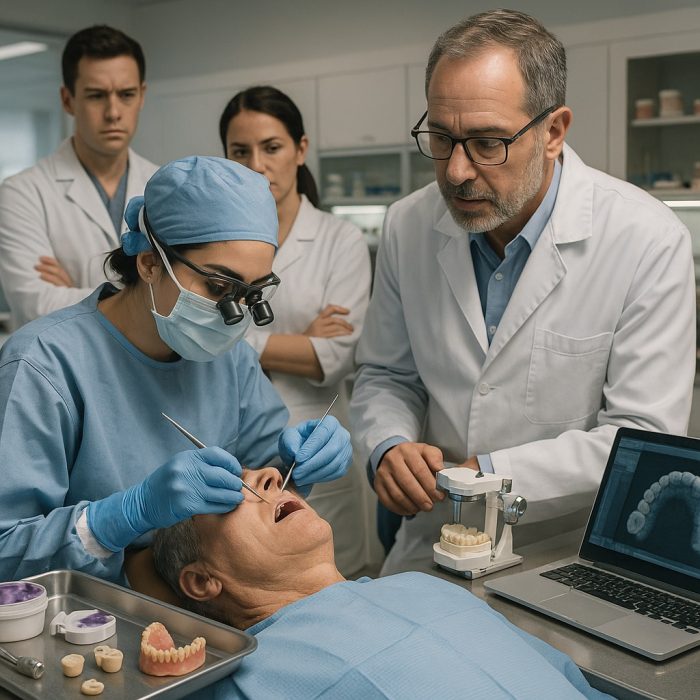
From Theory to Practice: A Qualitative Exploration of House Officers’ Clinical Learning Experience in Prosthodontics
-
The theory-practice gap is a well-recognized phenomenon in healthcare education, including medicine, nursing, and dentistry. It highlights the discrepancies between what is taught in academic settings and what is required in actual patient care. In prosthodontics—an intricate branch of dentistry focused on the restoration and replacement of teeth—the consequences of this gap can be particularly pronounced (Seedat J 2023). Failure to effectively bridge the gap may not only compromise patient safety and outcomes but may also erode student confidence, increase procedural errors, prolong treatment durations, and diminish overall healthcare delivery quality (Abdullahi KO et al., 2022). For new graduates, these challenges can contribute to feelings of inadequacy, anxiety, and self-doubt, especially when they are expected to independently manage complex clinical cases shortly after completing their academic studies (Uoshima K et al,. 2021).
Read More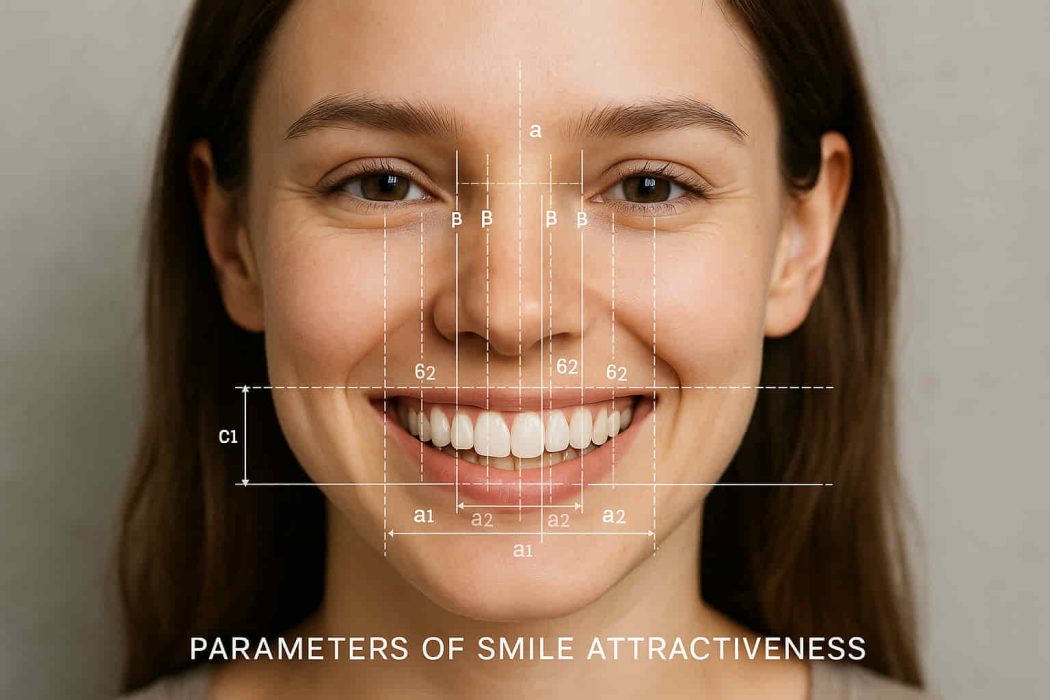
Perception of Smile Attractiveness Based on Gingival Display and Smile Arc Among Dentists, Dental Students, and Laypersons
-
Introduction A smile is widely recognized as a non-verbal communicative cue that signifies positive affect and plays a pivotal role in human social interaction1 . Its significance in dental esthetics arises from its impact on perceptions of health, confidence, and sociability, making it a central consideration in contemporary dental practice2. Modern dentistry has increasingly emphasized esthetic outcomes in response to patient-driven demand, moving beyond the traditional curative model to embrace functionally and visually optimized dental care3. Esthetic dentistry distinguishes itself from cosmetic dentistry by focusing on long-term oral function and natural replication of dentition, rather than solely enhancing appearance through elective procedures4.Smile attractiveness is a complex construct influenced by several morphological variables, including tooth alignment, gingival display, and smile arc configuration5. Among these factors, gingival display defined as the extent of gingiva visible during smiling and the smile arc referring to the curvature alignment of the upper anterior teeth with the lower lip have emerged as key determinants of esthetic preference5. Evidence from systematic reviews indicates that excessive gingival display, commonly referred to as a “gummy smile,” is generally rated as less attractive, though cultural and individual differences play a moderating role6. Cultural variations are further supported by studies showing that aesthetic ideals regarding gingival display differ significantly across ethnic and regional populations7. Additionally, the influence of digital platforms on aesthetic perception is increasingly recognized, particularly among younger demographics who are frequent users of social media8. Social platforms such as Instagram and TikTok amplify exposure to digitally enhanced smiles and curated dental aesthetics, potentially shaping user expectations and fueling demand for cosmetic procedures like veneers, whitening, and orthodontic interventions 8 .Despite the global proliferation of research on smile esthetics, limited data is available from South Asia particularly Pakistan that integrates professional and lay perspectives on gingival display and smile arc9. Existing regional studies often focus on isolated populations and lack the methodological integration of realistic visual stimuli and multi-group evaluation6. This study aims to address this gap by examining perceptions of smile attractiveness among dentists, dental students, and laypersons in Pakistan, using digitally modified images to systematically vary gingival display and smile arc configurations9.
Read More
Design and Evaluation of Protein Inhibitors Against the KRAS G12D Mutation in Colorectal Cancer via Computer-Aided Drug Design Techniques
-
Despite the critical role of KRAS in colorectal cancer progression, efforts to directly inhibit the G12D mutation have been met with limited success. This study employs a flexible docking approach, leveraging CABS-dock to capture dynamic peptide-protein interactions. Binding free energy calculations confirmed the stability of selected inhibitors, with Ligand 3 exhibiting the lowest energy (-57.59 kcal/mol). These findings underscore the potential of peptide-based strategies in overcoming the long-standing challenges of targeting mutant KRAS and advancing personalized cancer therapies.
Read More