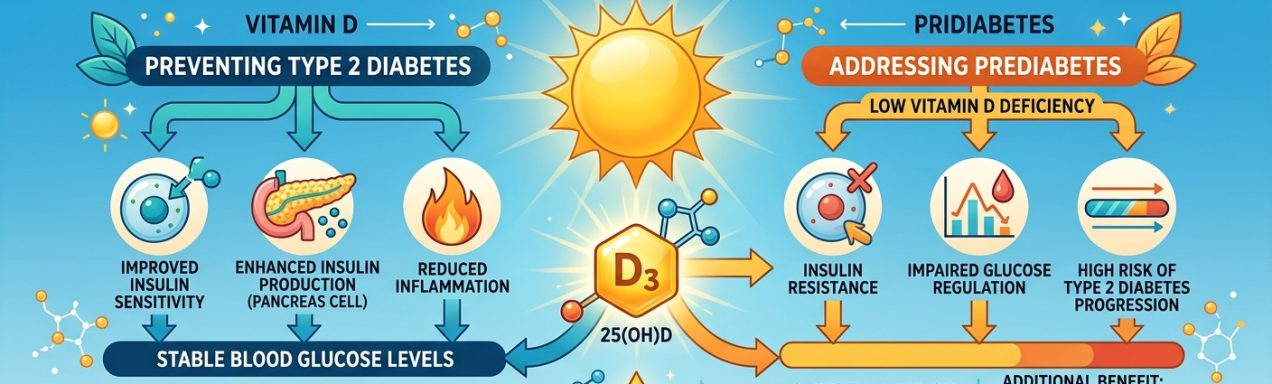
Vitamin D: A Simple Yet Effective Strategy for Preventing Diabetes
Over a billion individuals worldwide lack sufficient amounts of vitamin D, a fat-soluble vitamin that regulates more than 300 genes. Concurrently, diabetes is a major worldwide health concern that raises mortality and morbidity in a variety of populations.

Navigating a Paradigm Shift: Lerodalcibep in Patients with Cardiovascular Diseases as an Alternative to Monoclonal Antibodies (PCSK9 Inhibitors)
Nearly 17.5 million deaths globally are attributed to non-communicable disease (NCD) causes, with cardiovascular disease (CVD) being the main culprit. Low-density lipoprotein cholesterol (LDL-C) medications are now available, but cardiovascular disease (CVD) still causes a considerable amount of morbidity and mortality, especially in patients who may not respond well to existing treatments. In this regard, significant progress has been made in reducing LDL-C levels and, consequently, the risk of CVD with monoclonal antibodies that inhibit proprotein convertase subtilisin/kexin type 9 (PCSK9). Even with these medications, more easily available, reasonably priced, and patient-friendly substitutes are still required.

Reconceptualizing Chronic Pain: Neurological Mechanisms and Innovative Coping Strategies
Millions of individuals are suffering from Chronic pain, which is defined as pain that continues beyond three to six months. Old models focus on physical causes and often depend on pharmacological treatments. However, persistent pain after injury has subsided indicating a need for a more comprehensive understanding. Recent advancements in neuroscience classify chronic pain as a neurological disorder, opening the door for new and innovative treatment avenues.

Surgical Interventions in Pain Management: Addressing Gaps in Medical Education and Patient Care
Pain is defined by the International Association for the Study of Pain (IASP) as "an unpleasant sensory and emotional experience associated with actual or potential tissue damage" (International Association for the Study of Pain (IASP), n.d.). The global prevalence of chronic pain is estimated at 20.0%, with women more affected than men, and prevalence increases with age. Proper classification and early detection are critical, as delayed treatment can worsen outcomes.